





HTML5 Multiplayer Poker Game: The Complete Guide for 2025
HTML5 Multiplayer Poker Game: The Complete Guide for 2025
If you’re planning to launch an online poker platform in 2025 or in the near future, one term that you’ll hear often is HTML5 multiplayer poker. But what does it actually mean, and what are the reasons for operators shifting to HTML5 over native mobile apps?
This guide will explain everything, from architecture and real-time technologies to timeline, scaling, anti-cheat systems, features, and a full launch blueprint. By the time we conclude, you’ll know exactly what a modern, scalable, and secure HTML5 poker engine must include.
What HTML5 Multiplayer Poker Actually Means
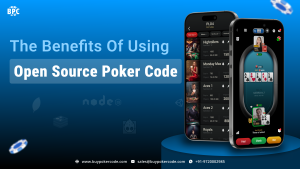
HTML5 multiplayer poker refers to a browser-based, real-time poker game that runs smoothly across mobiles, tablets, and desktops. The best part is that it does not require any app downloads or approval from app stores.
Key qualities of an HTML5 multiplayer poker are:
- Fast performance that is powered by JavaScript, WebGL, and Canvas animations
- Real-time gameplay using WebSockets
- Server-side logic in Node.js for concurrency
- Cross-platform compatibility (iOS, Android, Windows, Mac)
- One codebase for all platforms
An HTML Poker game allows players to join instantly via a link, making acquisition faster and cheaper, especially in markets where app-store gambling restrictions are strict.
Architecture Breakdown of a Modern Poker Engine
A scalable poker system is not just a game screen. It is a complete ecosystem of interconnected services.
Below is the architecture every HTML5 multiplayer poker engine must follow in 2025.
- Real-Time Game Engine
The game engine handles:
- Card shuffling
- Seat assignment
- Turn timers
- Hand results
- Pot handling
- Side pots
- Multi-table logic
It must be seamless, secure, and should be able to process thousands of events simultaneously.
- WebSocket Communication Layer
WebSockets give your platform:
- Instant bidirectional communication
- Low-latency gameplay (<150 ms target)
- Ability to push game updates in real time
- Node.js + WebSocket servers are the standard combination because of:
- Non-blocking I/O
- High concurrency
- Event-driven architecture
This is what makes multiplayer gameplay feel smooth and responsive on any device.
- Anti-Cheat and RNG Requirements
To run a safe and fair poker ecosystem, the following Anti-cheat mechanisms are a must:
- IP/Device matching
- Collusion detection
- Multi-account detection
- Suspicious pattern alerts
- Seat-shuffling features
- Rate-limit protections
- Bot detection algorithms
- RNG (Random Number Generator)
A certified RNG is essential and should include:
- Cryptographically secure shuffling
- Seeded randomness
- Third-party certification (GLI, iTech Labs, BMM, etc.)
Security is an absolutely non-negotiable aspect. Any compromises can destroy the trust of the operator. This is a must that should be followed by all platforms.
- Server Scaling Model
A scalable HTML5 poker architecture usually includes:
- Lobby Service
- Shows tables, tournaments, blinds, and buy-ins
- Updates in real time
- Room Manager
- Creates and deletes poker tables
- Manages table states
- Table Engine
- Runs the actual game logic
- Handles cards, turns, pots, and actions
- Database and Wallet
- Player profiles
- Balances
- Hand history
- KYC & AML data
- Transactions
- Scaling Approach
- Horizontal scaling for WebSocket servers
- Load balancing
- Redis for caching
A stable system should handle 1,000 to 10,000 concurrent players smoothly.
- Multi-Currency Support
In 2025, poker platforms need:
- Multi-Currency support, including USD, EUR, GBP
- Cryptocurrencies support (BTC, USDT, ETH)
- Chip-to-currency mapping
- Regional rake structures
All of the above are essential for international expansion.
- Tournament Engine
A modern poker engine must include all tournament formats:
- Sit-N-Go (SNG)
- MTTs
- Freerolls
- Bounty events
- Rebuy and Add-on structures
The engine must be capable of managing the following aspects of tournaments:
- Late registration
- Blind structures
- Table balancing
- Auto-seating
- Prize distribution
Why HTML5 Beats Native Apps for Poker
There is no doubt about the fact that Native apps are powerful, but HTML5 is becoming the preferred option. Here’s why:
- Instant Play on Any Device: A player just taps a link without needing to download an app. Also, there is no wait time, and the players can join their favorite poker game instantly.
- No App Store Gambling Restrictions: Apple and Google both have strict requirements for gambling apps, but HTML5 bypasses all of them. So if you are looking to launch a real-money poker game, then HTML5 should be an instant choice.
- Global Reach: Works in every geography and browser. Perfect for operators that are targeting global users.
- Lower Development Cost: One codebase is much cheaper than building and maintaining separate apps for iOS and Android.
- Faster Updates: Whenever you push a single update, all players get it instantly without any downtime.
Considering all of these aspects, for operators, HTML5 is the most practical and scalable choice.
Features a Poker Operator Needs in Their Poker Game
To run a real business, you need an entire operational framework that includes:
- Various Game Modes
- Cash Tables
- Sit-N-Go (SNG)
- Multi-Table Tournaments (MTTs)
- Private Tables
- Omaha/Hold’em variants
- Rake Engine
Operators must be able to configure all of the following:
- Rake caps in cash games
- Fee per tournament
- Promotions or bonuses
- Admin Dashboard Configurations
- Table management
- Player profiles
- Game monitoring
- Chip management
- Reports and analytics
- Player Accounts & Wallet System
- Deposits and withdrawals
- Balance tracking
- Transaction logs
- Multi-currency balance
KYC/AML: If it is a real money poker game, the following are required:
- Document upload
- Automated verification
- Agent/Affiliate System
- Commission setup
- Agent hierarchy
- Player mapping
- Player Experience Enhancements
- Spectator mode
- Player notes
- HUD restrictions for fair play
- Hand history and replays
Performance Requirements for a Poker Game in 2025
Online poker players expect speed and smoothness
- Latency Target: <150 ms
This includes:
- Player action
- Server processing
- Broadcast to all players
- 60 FPS Animations
Smooth animations help retention and reduce churn.
- Concurrency Benchmarks
A serious poker engine must support:
- 1,000 Concurrent users for small operators
- 5,000–10,000 Concurrent users for mid-tier operators
- Auto-scaling for peak traffic
Build vs Buy Analysis
If you want to build a poker engine from scratch, be prepared for a substantial investment and a longer time frame to develop. Here is an estimate of each:
- Time Required: 8–14 Months
- A full cycle includes:
- Game engine
- RNG Certification
- Admin panels
- Player wallet
- Payment integrations
- Tournament system
- Anti-cheat tools
- UI/UX for all platforms
- Cost: Cost is usually extremely high and depends on features like:
- Multi-game variants
- Rake engine complexity
- KYC/AML
- Cryptocurrency support
- Multi-region hosting
- Tournament engine sophistication
Why Most Startups Fail Before Launch
The following are the reasons for most startups failing to launch their poker game:
- Underestimating backend complexity
- Poor RNG implementation
- Inexperienced game architects
- Weak anti-cheat mechanism
- Unrealistic timelines
- Running out of budget
- Scaling issues after launch
Turnkey HTML5 Engines as an Alternative
Buying a ready-made HTML5 poker engine saves:
- Time
- Money
- Engineering effort
This is why many new operators choose turnkey software with source code ownership.
How to Choose the Right HTML5 Poker Engine Provider
Before signing with any provider, use this mandatory checklist:
- Source code ownership (no lock-in)
- Clean architecture (modular, microservices)
- Active clients
- RNG certification
- Mobile-first UI
- Real-time WebSocket engine
- Customization flexibility
- Documentation + audit history
- Ability to scale to 5,000+ CCU
If a provider can’t meet these points, it’s not recommended to go ahead with them.
Launch Blueprint for Your Poker Platform
Here’s a practical roadmap.
Phase 1: Free-Play MVP
- Launch a simple version with play chips
- Test UI/UX
- Check gameplay flow
- Run closed beta with 100–500 users
Phase 2: Traffic Acquisition
- Influencer campaigns
- Private clubs/groups
- Tournament promotions
- Affiliate onboarding
Phase 3: Monetization
Once traffic is consistent:
- Enable rake on cash tables
- Add entry-fee tournaments
- Subscriptions or VIP levels
- Agent commissions
- Track player lifetime value (LTV) from day one.
Phase 4: Scaling Internationally
Add multi-currency support
Add geolocation rules
Onboard international agents
Deploy regional servers
Add language packs
This is how platforms grow into global poker brands.
Conclusion
To conclude, HTML5 multiplayer poker is the future of online poker in 2025. It is fast, scalable, and gives operators global reach with a nominal development cost. Whether you choose to build from scratch or buy a ready-made engine, the key is selecting the right technology and following a structured launch plan.